
Why robots are now something you can simply rent
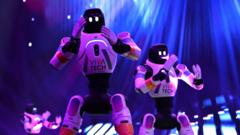
Image: BBC News
In hospitals across the US, patients and staff have grown used to a one-armed, four-foot-tall white robot gliding through the corridors — and even handing out high fives.
The robot, Moxi, shuttles medical supplies between wards for its maker Diligent Robotics. Nurses greet it with a "good morning"; it answers with heart-shaped LED eyes and a beep. "We get a lot of feedback that Moxi feels like a part of the team," says COO Todd Brugger.
But hospitals aren't buying Moxi outright. They're renting it. Robotics firms have embraced "robotics-as-a-service" — bundling the machine, maintenance, software upgrades and even a remote human operator into one subscription.
"It lowers the expense and the outlay for the hospital because you're not paying for the full purchase up front," Brugger says. "More importantly, this tech is evolving very quickly, and we're routinely evolving the software and capabilities of the robot."
Why it matters: Renting, not buying, is quietly lowering the barrier to advanced automation. Robot leases now run from a single day to several years — covering everything from Moxi's hospital runs to robot bartenders, autonomous farm weeders and humanoid wedding entertainers. For cash-strapped institutions, it turns a daunting capital cost into a manageable monthly fee.
Humanoid models, still a work in progress, are mostly rented for tightly defined jobs — often entertainment. A machine might dance, sing or serve guests at a corporate event, says Ethan Qi of Counterpoint Research, noting a choreographed routine is relatively simple to pull off.
What's next: As the software improves, expect rented robots to migrate from parties and supply closets into far more demanding roles — and for "robotics-as-a-service" to become the default way the world gets its hands on them.