
Secret ingredient in da Vinci's masterpieces? Scientists say it's egg yolk
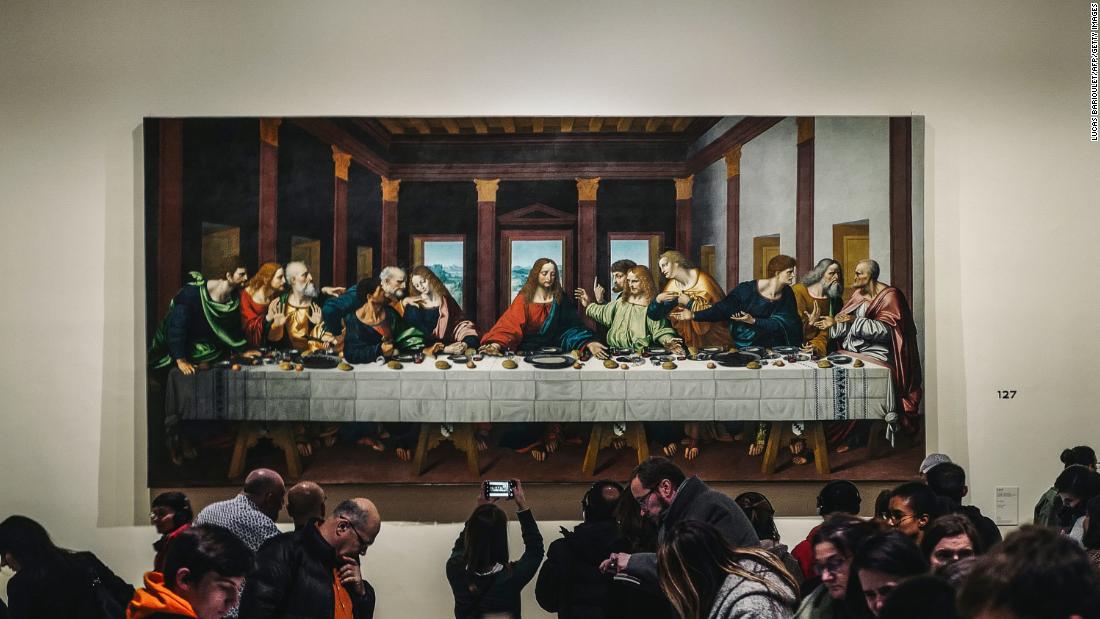
Image: CNN
The luminous, centuries-old paintings of Leonardo da Vinci, Botticelli and Rembrandt may owe their survival to an unlikely kitchen staple: egg yolk.
For years, trace proteins found in classic oil paintings were written off as contamination. But a new study published in Nature Communications concludes the Old Masters probably added egg on purpose — and that the choice had lasting effects far beyond aesthetics.
"There are very few written sources about this and no scientific work has been done before to investigate the subject in such depth," said study author Ophélie Ranquet of the Karlsruhe Institute of Technology.
Simply stirring in some yolk could tune a paint's properties in dramatic ways. "The addition of egg yolk is beneficial because it can tune the properties of these paints in a drastic way," Ranquet said — for instance by slowing oxidation, thanks to the antioxidants in the yolk.
Why it matters: The finding helps solve a small mystery about why some 500-year-old works still glow while others have cracked and darkened. Egg protein appears to shield delicate pigments such as lead white from humidity, and lets painters build thick, sculpted strokes without adding excess pigment.
Oil paint, which first appeared in Central Asia in the seventh century before reaching Northern Europe, already offered richer colour and slower drying than the egg-based tempera of the Egyptians. Adding yolk, the researchers suggest, gave artists the best of both worlds — and a recipe durable enough to outlast them by centuries.
What's next: As conservators probe more canvases with the same techniques, we may learn whether egg was a widespread trade secret — quietly passed between studios long before science could confirm it.